
Planning
Daily Planning: How to Plan Your Day in 10 Minutes
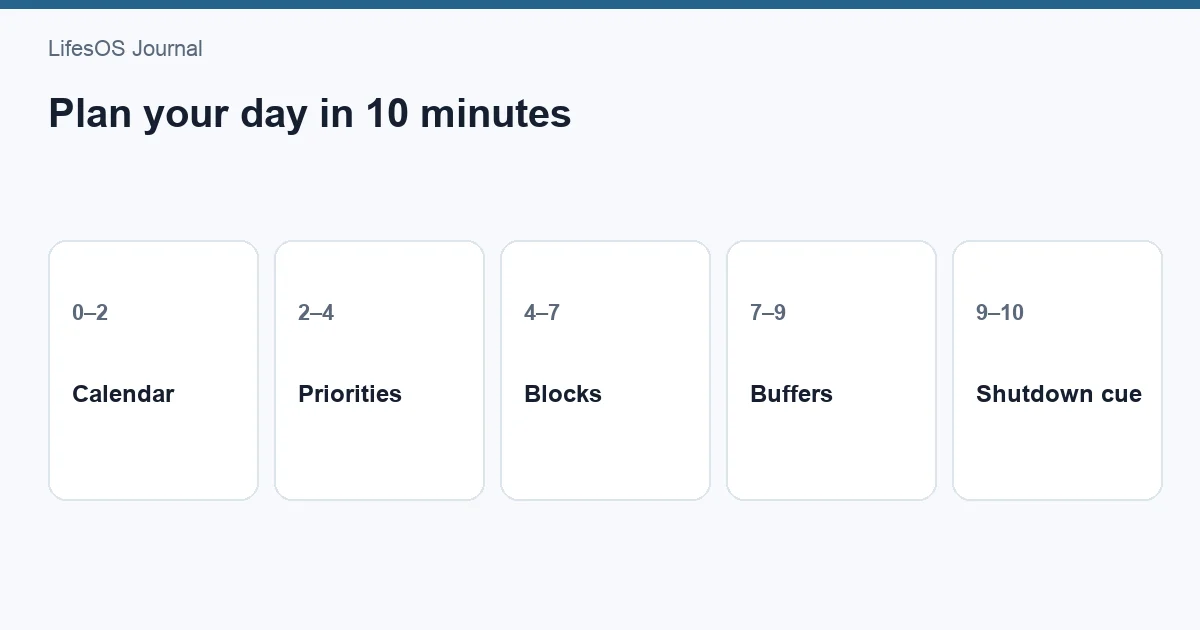
Plan a realistic day in ten minutes by checking constraints, choosing one must-do, placing focused work, adding buffers, and defining a clear shutdown.
LifesOS Journal
Practical ideas for running daily life with more clarity.
Planning
Plan a realistic day in ten minutes by checking constraints, choosing one must-do, placing focused work, adding buffers, and defining a clear shutdown.
Personal Finance
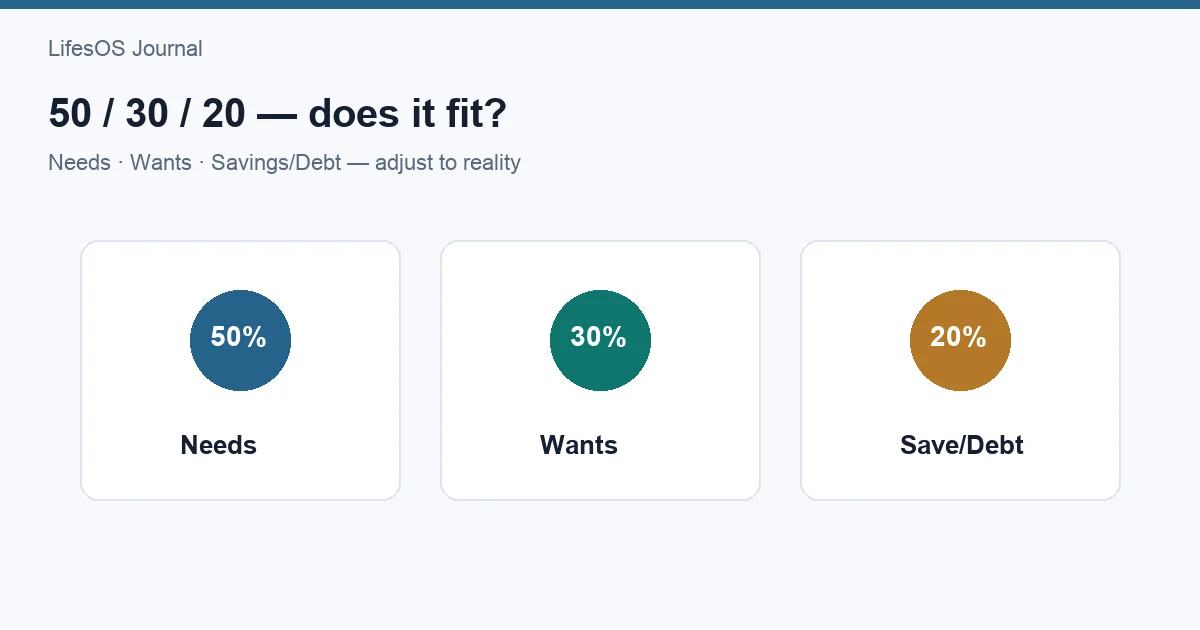
The 50/30/20 rule is a useful diagnostic, not a universal law. Learn the categories, test your numbers, and adjust the percentages to fit your constraints.
Personal Finance
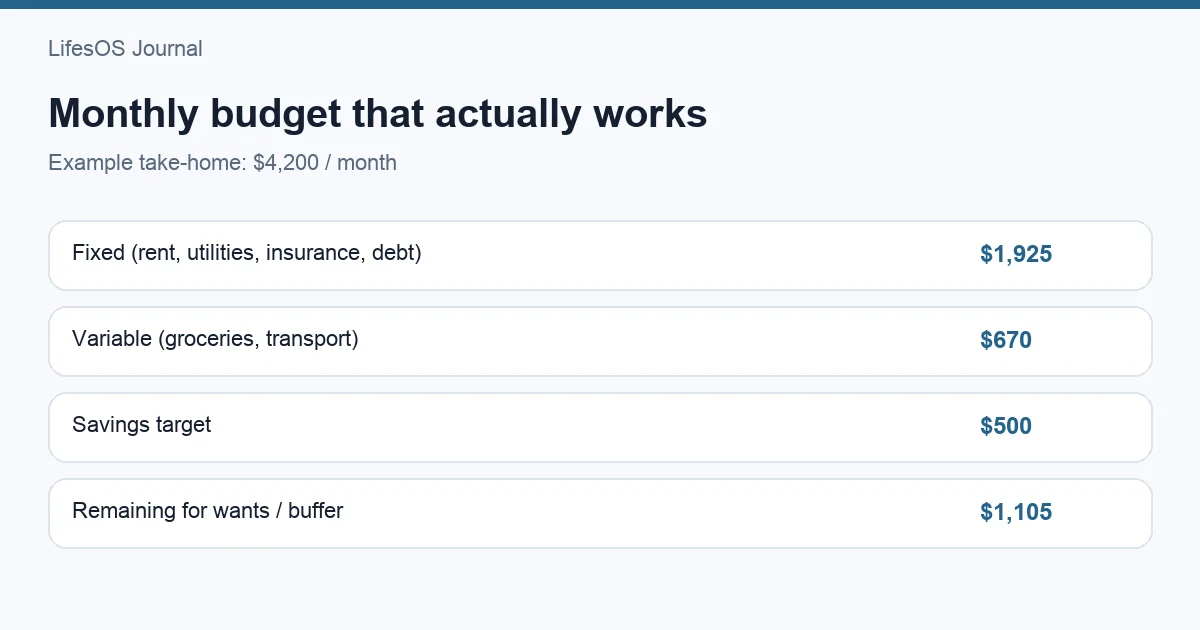
A working monthly budget starts from take-home income, funds fixed costs and savings on purpose, and gets a short weekly review — not a perfect spreadsheet.
Planning
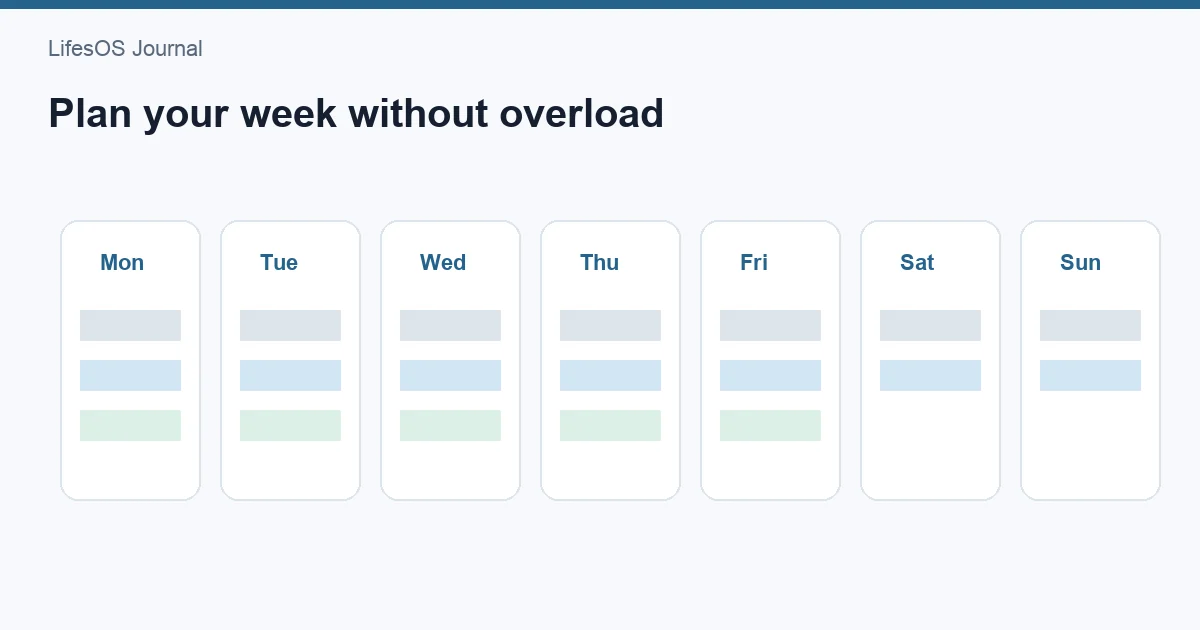
Plan the week by anchoring fixed commitments, choosing a few priorities, protecting buffer time, and reviewing — not by filling every hour.
Nutrition
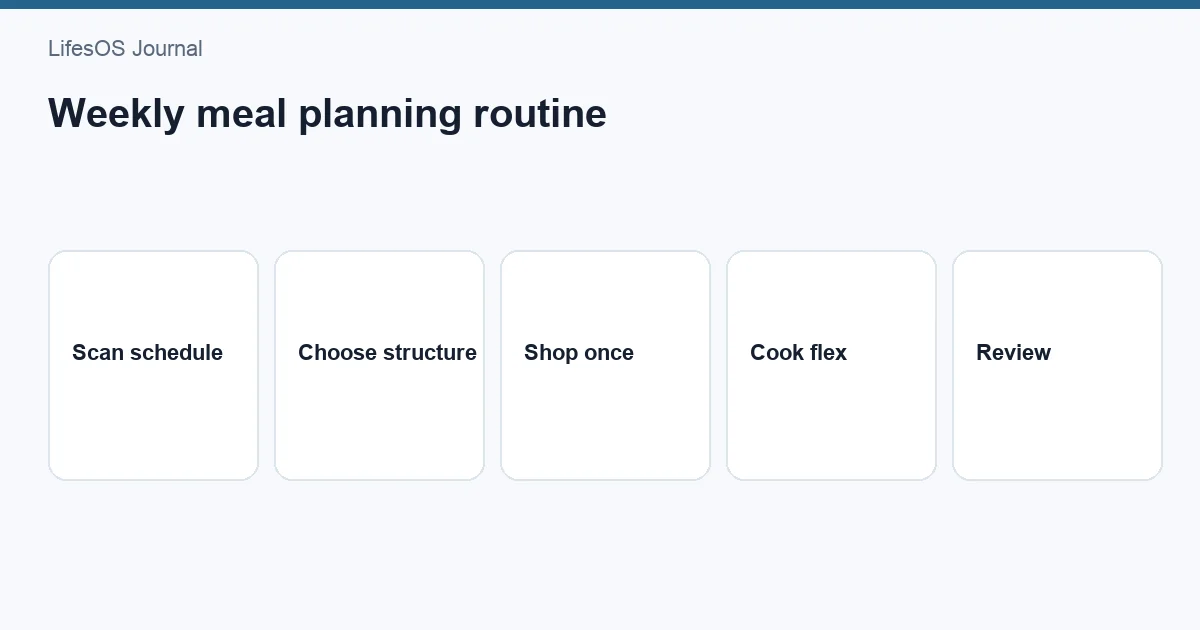
A useful weekly meal planning routine starts with your calendar, chooses a small set of flexible meals, creates one practical shopping list, and leaves room for change.

Fitness & Activity
A daily walking habit becomes consistent when it has a reliable cue, a small minimum, a place in your schedule, and a fallback for disrupted days.

AI & Life
A useful personal AI assistant turns your requests and approved context into structured, reviewable actions across the parts of life you choose to connect.
AI & Life
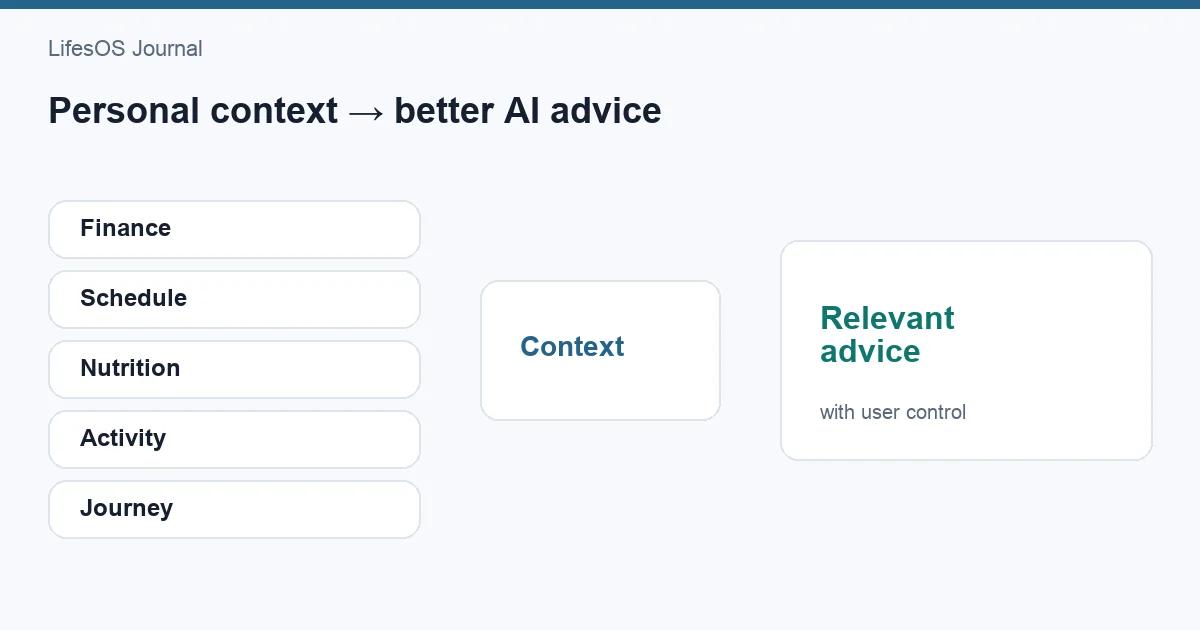
Personal AI can give more relevant advice when it uses selected, permissioned context—but only with clear consent, minimal data, user control, and secure memory.
Fitness & Activity
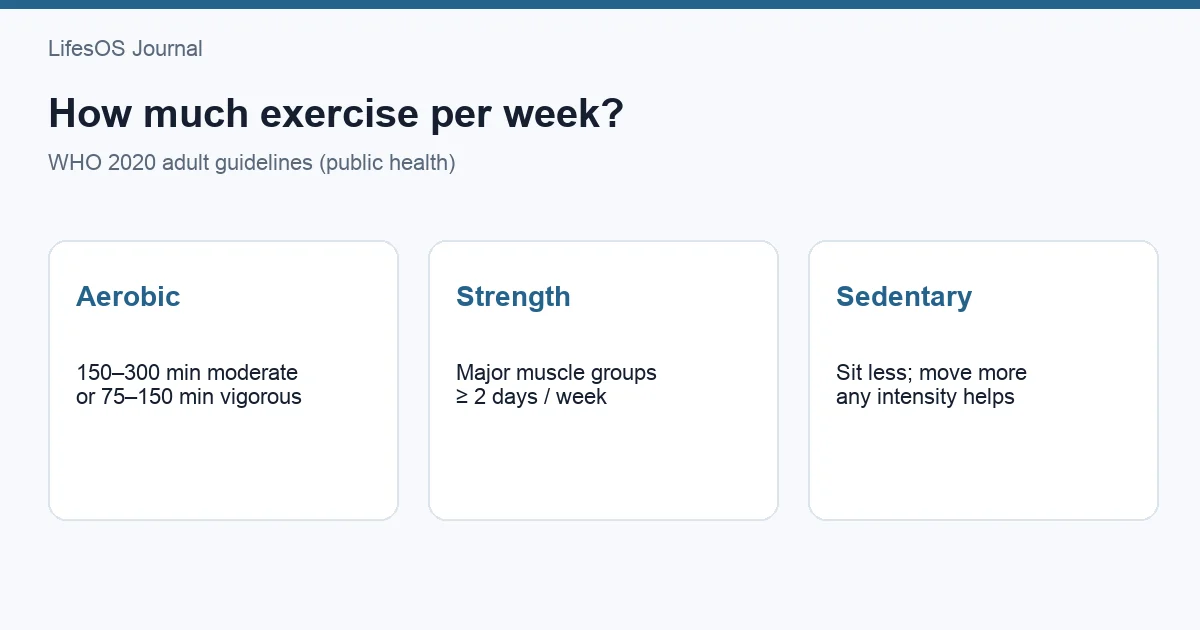
Adults should generally aim for 150–300 minutes of moderate aerobic activity or 75–150 vigorous minutes weekly, plus strength work on two days.
Personal Finance
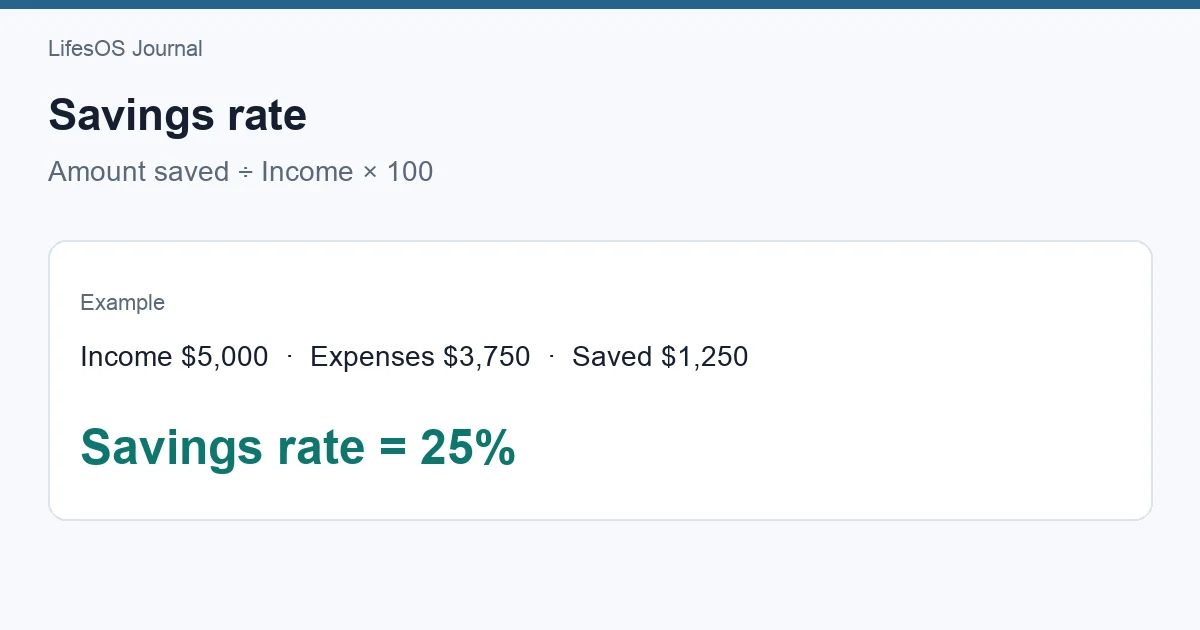
Your savings rate is the percentage of income you save rather than spend in a period. Formula: (Income − Expenses) ÷ Income × 100 — or Savings ÷ Income × 100.
Personal Finance
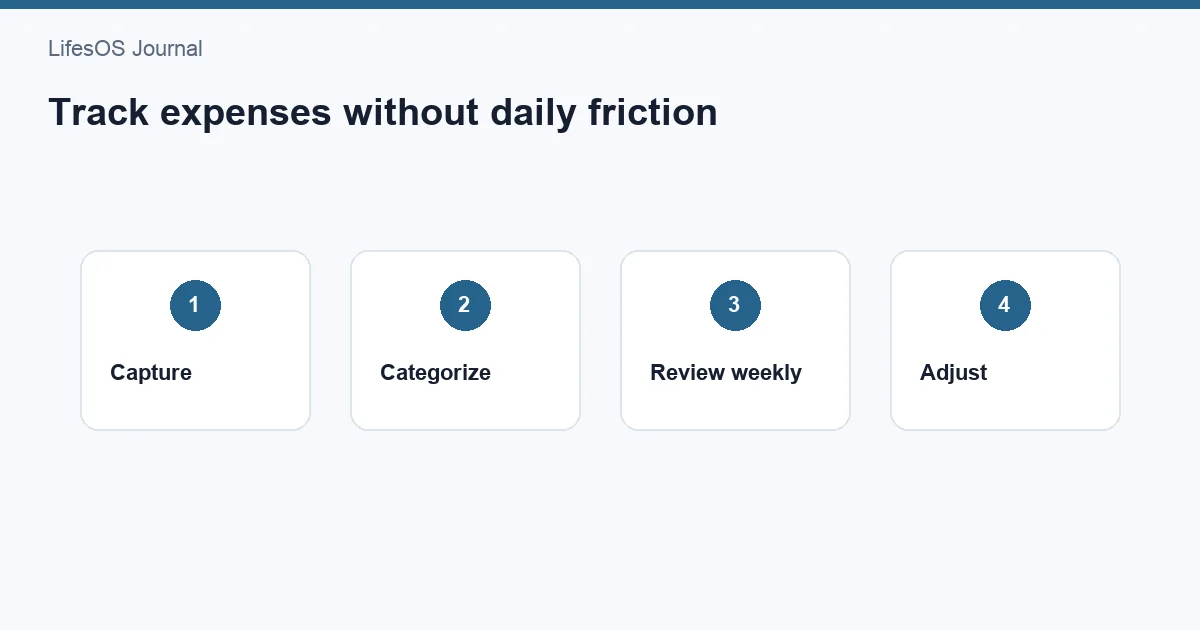
Sustainable expense tracking uses fast capture, consistent categories, and a weekly review — not perfect daily bookkeeping.
Nutrition
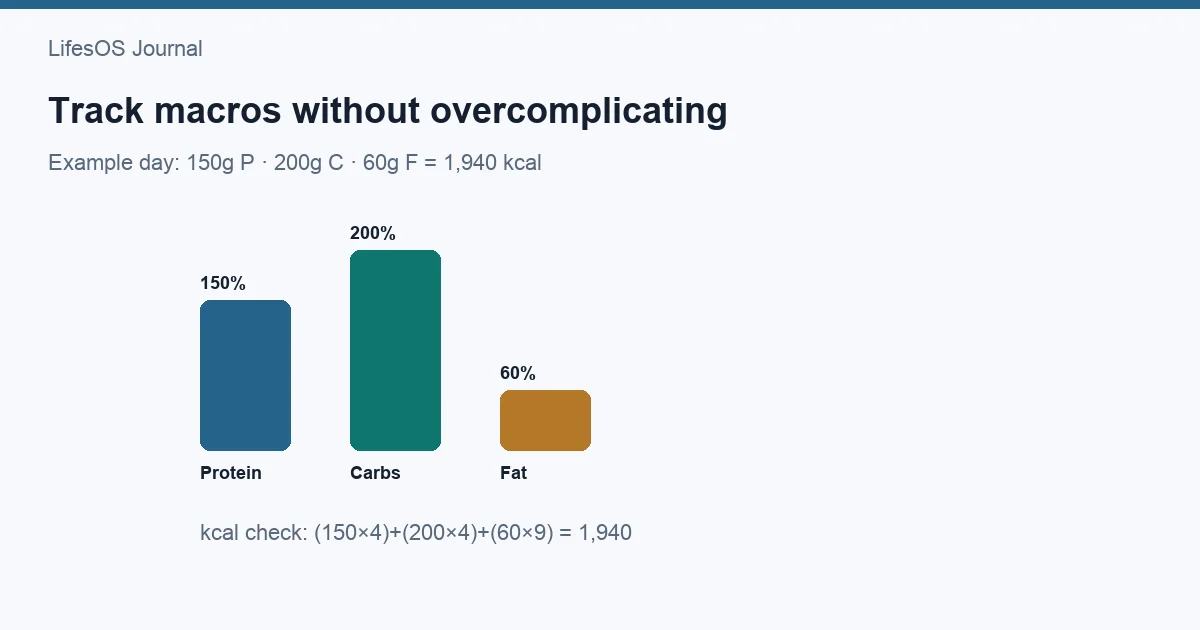
Track macros sustainably by prioritizing protein, using simple portion estimates, spot-checking the 4/4/9 calorie math, and avoiding all-or-nothing logging.
Planning
Plan a realistic day in ten minutes by checking constraints, choosing one must-do, placing focused work, adding buffers, and defining a clear shutdown.
Personal Finance
The 50/30/20 rule is a useful diagnostic, not a universal law. Learn the categories, test your numbers, and adjust the percentages to fit your constraints.
Personal Finance
A working monthly budget starts from take-home income, funds fixed costs and savings on purpose, and gets a short weekly review — not a perfect spreadsheet.